

Guide 4 of 5Dairy cowsSheepGoats
Minerals and lick blocks
Agrofeed publishes what is in each block but no daily intake: the carton label carries that. Below it, general extension guidance on goats, sheep and placement, marked as such.
In short
- 13blocks
Agrofeed gives a composition for each of its blocks and no intake rate. The maximum intake is on the carton label.
Source: Agrofeed
- 1of each kind per group
On our own farm each group gets one block of each kind. Ablock, the late pregnancy block, goes in only during the preparation for lambing.
- 7 to 14g a day
Goats: a well balanced loose mineral at about 7 to 14 g a day (¼ to ½ ounce).
Source: Mississippi State Extension
- 57 to 85g a day
Goats: from a salt block with trace minerals they would need 57 to 85 g a day (2 to 3 ounces). Soft tongues make blocks hard work for goats.
Source: Mississippi State Extension
- Cucopper
Sheep are the most susceptible of all food producing animals to copper toxicosis. Never give them minerals or feed made for cattle, pigs or poultry.
Sources: Purdue, LSU AgCenter
- 12 or 18months
Agrofeed blocks keep 12 or 18 months from production, by block. Never use one past its expiry date; keep drinking water near it.
Source: Agrofeed
What Agrofeed publishes
Agrofeed's instructions for use, as printed
- Give the animals free access to the block.
- Keep drinking water near the block.
- Do not use the block after its expiry date.
Source: Agrofeed
- Composition
- Per block, per kg
- Intake per animal per day
- Not published by the supplier
- Maximum intake
- As on the carton label
- Shelf life
- 12 or 18 months from production, by block
Source: Agrofeed
How many blocks per group, and where
On our own Assaf farm each group gets one block of each kind, on the wall, on whichever side suits. Ablock, the late pregnancy block, is the exception: it goes in only during the preparation for lambing.
US extension guidance
Goats: loose mineral or block
- Well balanced loose mineral
- 7 to 14 g (¼ to ½ ounce)
- Salt block with trace minerals
- 57 to 85 g (2 to 3 ounces)
Source: Mississippi State Extension
Goats have soft tongues, which makes it hard to get enough minerals from a block or a bucket; loose minerals are licked up easily. Grams are converted from the ounces Mississippi State prints.
Source: Mississippi State Extension
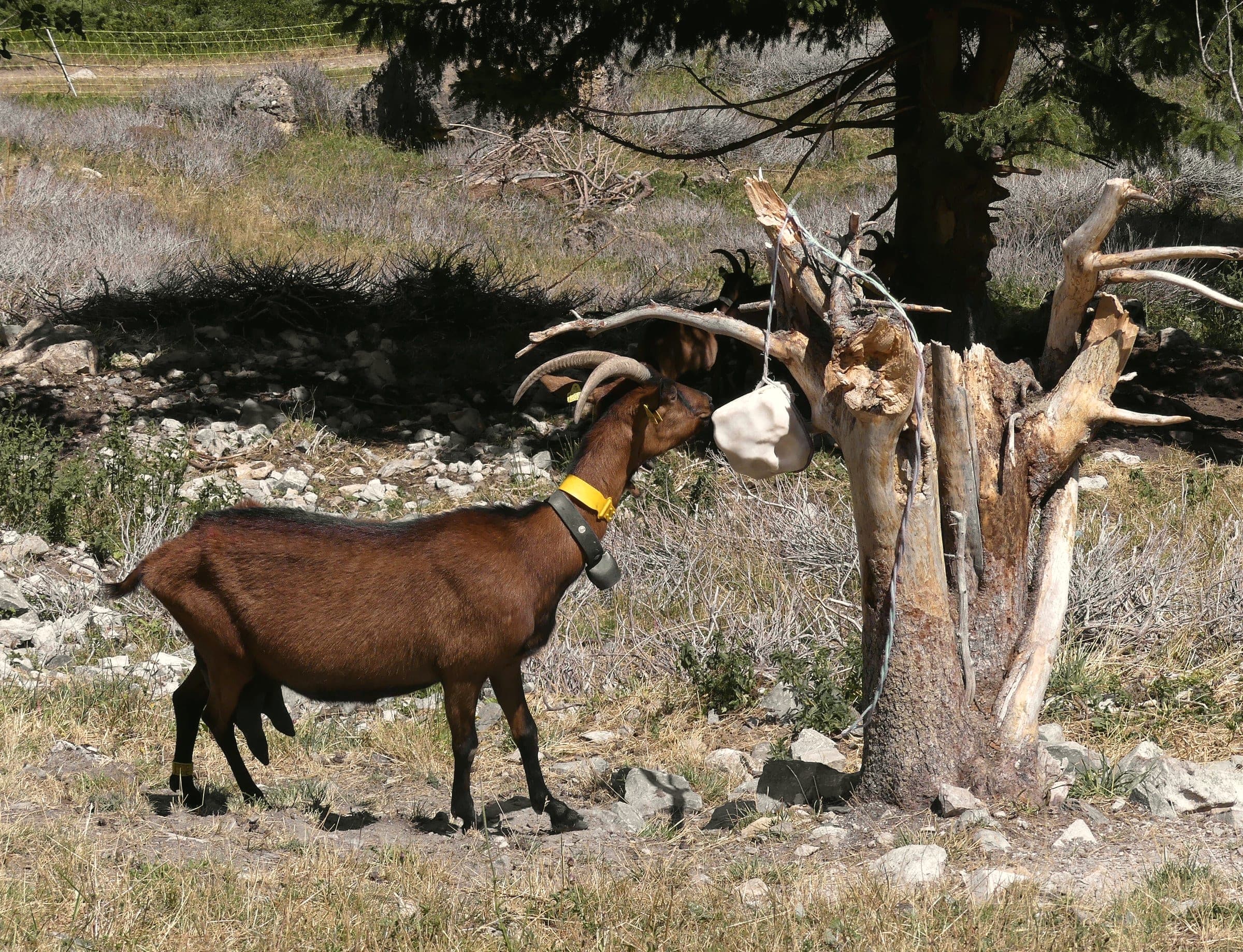
US extension guidance
Sheep and copper
- Sheep are the most susceptible of all food producing animals to copper toxicosis. (Purdue)
- Copper toxicity often occurs when sheep are fed rations meant for cattle, pigs or poultry. (LSU AgCenter)
Sources: Purdue, LSU AgCenter
Before a block goes out to sheep, read its carton label for copper. The lick block finder lists what each Agrofeed block declares on agrofeed.gr.
US extension guidance
Where minerals go
- Mineral feeders under a roof.
- High enough to keep dung and dirt out.
- In a dry spot where water cannot collect.
Source: Mississippi State Extension
Tools
Tools for this guide
Products
Products for this
From the ranges we represent, all in stock except Muesli Start Mix, Solo Start, Solo Start Extra and the ColoQuick system, which we order in for you in about 22 days.
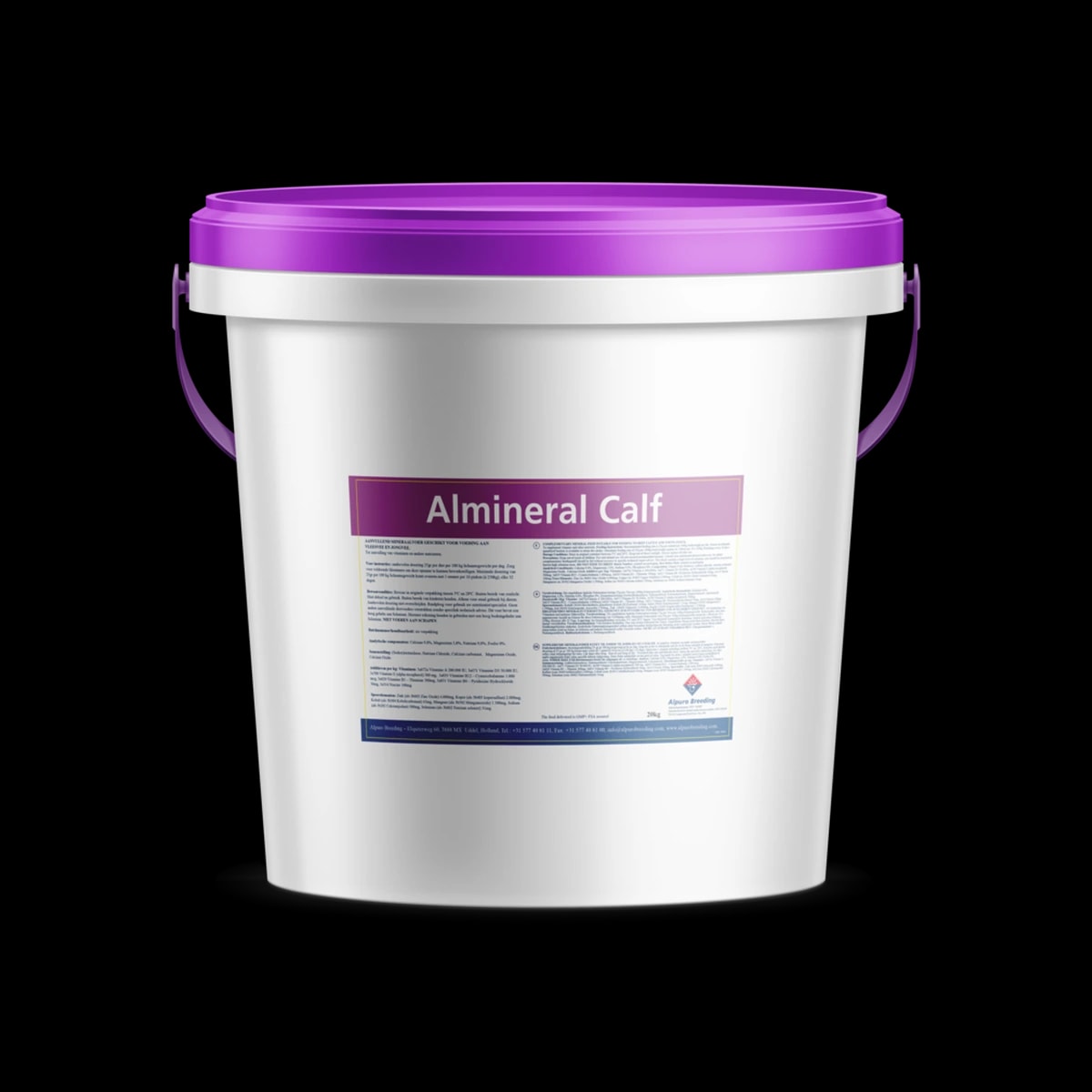 Almineral
Alpuro Breeding · 613051
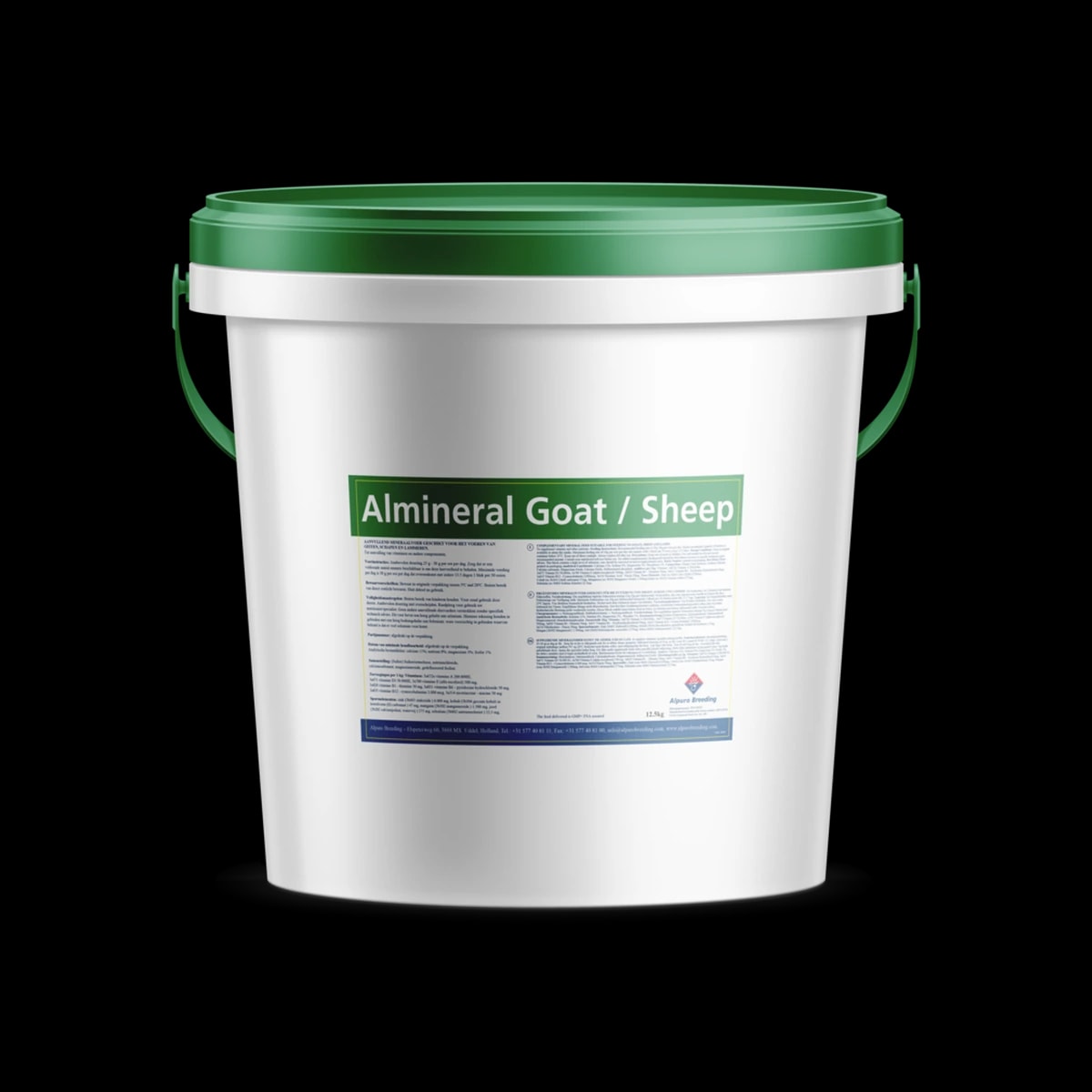 Almineral
Alpuro Breeding · 613053
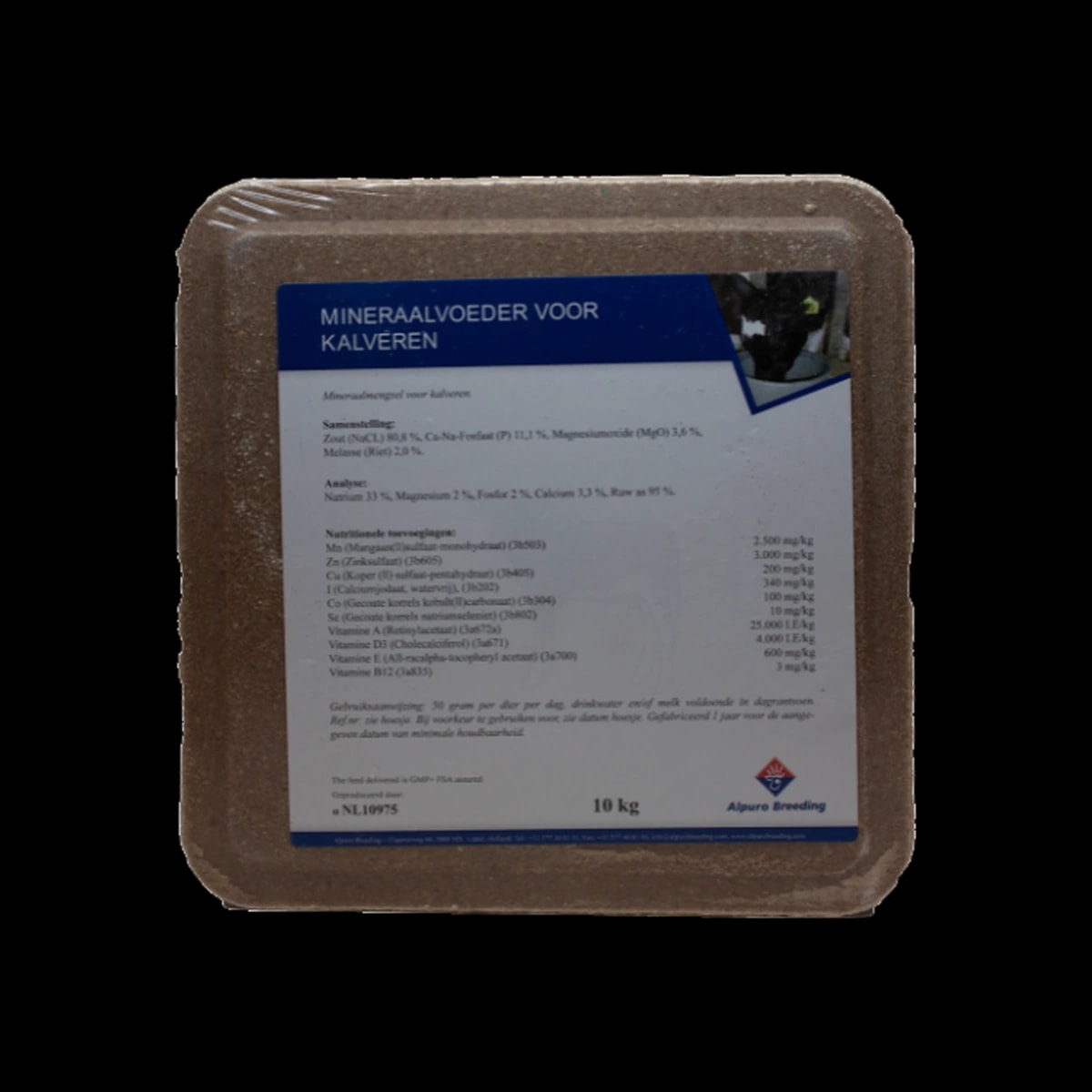 Mineralenblok
Alpuro Breeding · 613050
Sources
Where every figure comes from
Numbered in the order the guide first uses them, each with the date we read it.
AgrofeedMaker
Lick block product pages, agrofeed.gr, read 4 October 2026
AgrofeedMaker
Licking blocks catalogue (PDF), 19 November 2024, read 4 October 2026
Mississippi State University ExtensionUS extension guidance
Mineral requirements and impact on dairy and meat goat production (P3929), September 2023, read 5 October 2026
Purdue University, Mike Neary, Extension Sheep SpecialistUS extension guidance
Extension article on copper toxicosis in sheep, first printed in Indiana Sheep Tales (archived copy of 26 October 2019), read 5 October 2026
LSU AgCenter, Navarre and GillUS extension guidance
Copper toxicity (May 2010), May 2010, read 5 October 2026
If an animal is unwell, call your vet.
This is general husbandry information, not veterinary advice. If an animal is sick, call your vet.